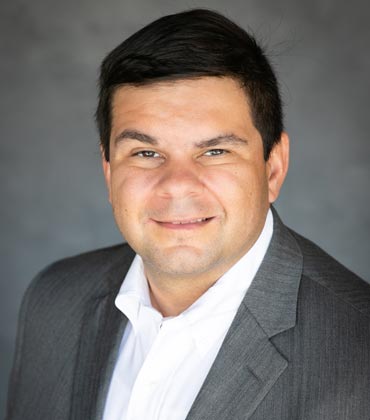
Christopher Vercammen-Grandjean is the Medical Director at Remo Health, where he leads an interdisciplinary team and designs virtual care strategies to support people living with dementia and their caregivers. Pursuing a master’s in public health from the University of California, Berkeley, he also completed his medical education at the same University in San Francisco. Previously, he served as a physician at Providence, where he launched a clinical program to improve care for Medicare-aged adults, and co-directed Providence Advantage at St. Jude Heritage Healthcare, an innovative clinic for adults 62 and older. He also practiced at CareMore Health earlier in his career.
Throughout this interview, Vercammen-Grandjean stresses focusing on patient needs first and using technology only when it genuinely helps. He emphasizes that telehealth and remote monitoring should align with what matters most to the patient.
Digital Health and Elderly Care: Addressing America’s Aging Population’s Needs
Throughout my medical career, I’ve seen firsthand how often there’s a disconnect between patients’ needs and how healthcare is delivered. This tends to happen when modern medicine is shaped less by patient needs and more by institutional demands. Clinic schedules, for instance, tend to be optimized for efficiency and revenue, not for the time and attention each patient truly deserves.
This disconnect is especially visible when it comes to caring for older adults, particularly those living with dementia. While working in various health systems, I’ve met patients who had been in hospitals for weeks or even months. Many arrived after a preventable and costly emergency department visit, or simply because early diagnosis and timely access to appropriate specialists were lacking. It was a stark reminder that the system often fails some of America’s most vulnerable populations.
Ultimately, clinical humility— recognizing when virtual tools are appropriate and when an in-person evaluation is necessary—ensures the highest quality of care
The good news is that there is an important initiative underway that is encouraging to many of us who care for older patients. The recent launch of CMS’s new Guiding an Improved Dementia Experience (GUIDE) program is one example. The program aims to provide comprehensive support to people with dementia and their unpaid caregivers. The goal of GUIDE is to provide wraparound services for families, enhance their quality of life, alleviate caregiver burden, and promote aging in place within their homes and communities. There are some valuable benefits caregivers can access with the program, such as respite services, which are an annual stipend of up to $2,500 paid for by Medicare. This stipend offers families with caregivers providing round-the-clock care a much-needed break for self-care, travel, or even just running errands. In addition, GUIDE gives families access to ongoing caregiver education and training to help them navigate every stage of the disease. GUIDE is a powerful step in the right direction, and it’s promising to see the government provide this level of support at the federal level.
Transitioning from Reactive Treatment to Preventive Care
I lead an interdisciplinary medical team at Remo Health, a virtual dementia care provider and GUIDE program participant. Dementia, a disease with no cure, demands a different approach—one that’s accessible and affordable for our aging population. Through GUIDE, we partner with health systems, physician networks, health plans, and community organizations to deliver essential services families need each day—services often missing in a system not built to support them with the dignity and care they deserve.
Families navigating dementia need a village. At Remo Health, our team of neurologists, geriatricians, nurses, care navigators, social workers, and pharmacists works together to provide comprehensive support. Through telehealth, we gain timely insights into patients’ daily lives and home environments, helping them stay safe, connected, and supported. For families—many of whom are balancing caregiving with raising children—accessible resources offer peace of mind and a more complete picture of how their loved ones are doing.
Empowering Caregivers Nationwide Through Education and Community
Remo Health offers a virtual learning platform tailored to the unique needs of each family we serve. After a dementia diagnosis, families often have urgent questions—like “How can I make my home safer?” or “Why is my loved one agitated in the evenings?” Our platform provides timely, evidence-based answers so they can find the guidance they need, when they need it most.
By addressing these essential questions early, we create space for more meaningful, personalized conversations during clinical visits. Families arrive better prepared, and our time together becomes more focused and productive.
We also host a virtual support group with more than 20,000 families nationwide. For many, it’s a lifeline—a place to connect with others navigating the emotional and often isolating experience of caregiving.
When caregivers have access to clear, reliable information and a strong support network, their confidence grows and their burden eases. Supporting both patients and their caregivers is one of the most rewarding aspects of dementia care. Many caregivers are already doing an incredible job—our role is to strengthen their efforts by reinforcing their knowledge, support systems, and sense of capability. Better-informed families build stronger, more resilient care networks—and that’s essential to managing dementia well.
The Future of Healthcare: Delivering Virtual Dementia Care at Scale
The pandemic reshaped how we think about healthcare delivery, and perhaps one of the most lasting shifts has been the adoption of telehealth. What started as a crisis response quickly became an essential tool, especially for older adults who are homebound or living in rural areas. Suddenly, distance and mobility were no longer barriers to care.
Before this shift, home visits were the only real option for reaching patients outside clinical settings. But those visits are time-intensive, labor-heavy, and limited in how often they can occur. Telehealth changed that. Clinicians can now stay connected with patients more frequently, more efficiently, and with greater flexibility. When it comes to dementia care, home health visits are necessary, especially as the disease progresses. Our care team partners with local agencies that are available for in-home visits. This is also another offering made available through the GUIDE program.
With all the benefits virtual health promises, there are risks, including ensuring data security when it comes to patient information. At Remo Health, data security is not just a priority — it’s foundational. Our HITRUST certification, the gold standard in healthcare data protection, demonstrates our commitment to exceeding industry standards and earning the trust of patients and families.
Balancing Tech Insights with Clinical Judgment: The Role of Virtual Care
Healthcare has traditionally relied on in-person visits, hands-on exams, and tests. This will always remain an essential part of care delivery. It’s important for doctors to see patients in person; compassionate in-person care is at the heart of medicine. However, the brick-and-mortar model has limitations, particularly in reaching our elderly and most vulnerable populations. Virtual care offers another solution by providing equitable access to specialists who may not be locally available.
Regardless of whether care is delivered in person or virtually, sound and personalized patient-centered clinical judgment remains paramount. While remote cognitive assessments and standardized questionnaires offer valuable data to aid informed decision-making in dementia care, I approach every remote diagnosis with caution. For more complex diagnostics, collaboration with local providers is essential. Ultimately, clinical humility—recognizing when virtual tools are appropriate and when an in-person evaluation is necessary—ensures the highest quality of care.